
Compare Local Contractors for Antique Furniture Repair Success
Compare local contractors for antique furniture repair to clarify scope, verify experience, and establish clear expectations for a successful restoration.
Antique furniture repair services typically encompass a range of tasks aimed at restoring and preserving the original character of valuable pieces. This work can include repairing structural damage, refinishing surfaces, replacing missing or damaged components, and addressing issues caused by age or wear. Skilled contractors understand the importance of maintaining the authenticity of antique furniture while ensuring its stability and appearance are preserved for years to come. Properly executed repairs require a careful assessment of each piece’s unique construction and history, making experience and expertise critical factors in selecting a service provider.
Defining the scope of work is a vital step in any antique furniture repair project. Clear communication about what needs to be repaired, restored, or replaced helps set realistic expectations and ensures that both property owners and contractors are aligned. Documenting the scope in writing can prevent misunderstandings and provide a reference point throughout the project. It’s also an opportunity to discuss specific concerns, preferred methods, and desired outcomes, which can influence the choice of materials and techniques used. Taking the time to specify the scope upfront contributes to a smoother process and a more satisfactory result.
Property owners can compare local contractors by reviewing their experience with antique furniture and their ability to handle specific types of repairs. It’s helpful to ask about previous projects similar to the work needed and to verify whether contractors have specialized knowledge of period styles and construction techniques. Additionally, evaluating how contractors communicate their approach and whether they provide detailed written descriptions of the scope can reveal their professionalism and attention to detail. Gathering recommendations, checking references, and comparing how each service provider plans to approach the work can assist in making informed decisions and selecting a contractor that aligns with the project’s needs.
Compare local contractors by outlining priorities, verifying experience, and setting clear expectations in writing.
- Verify Experience - Ensure contractors have relevant experience in antique furniture repair to meet project needs.
- Compare Service Providers - Review multiple local contractors to evaluate their scope of work and expertise.
- Define Project Scope - Clearly outline the repair requirements and expectations in written agreements.
- Assess Qualifications - Check credentials and references to confirm the contractor’s ability to handle delicate antiques.
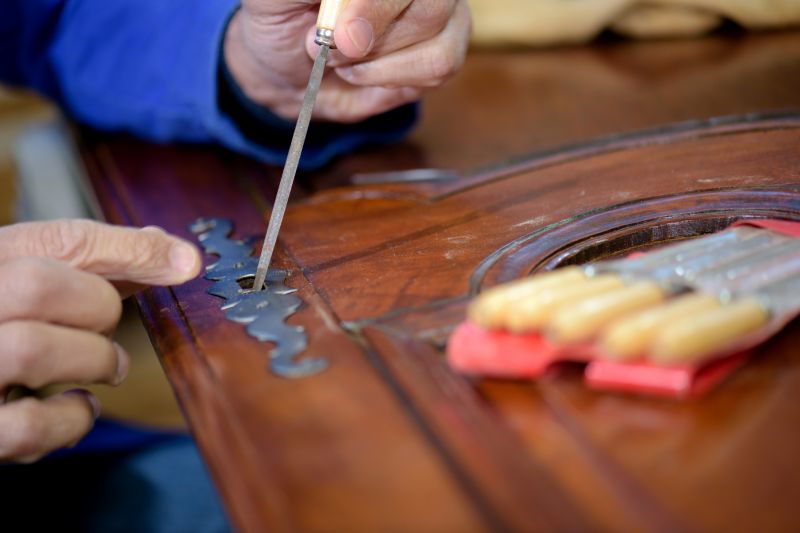
Clearly describe your antique furniture repair project to compare local contractors, verify experience, and set expectations in writing.
- Verify experience with antique furniture repair to ensure familiarity with traditional techniques and materials. - Look for service providers who can clearly define the scope of work and the specific restoration methods they use.
- Compare credentials and references to assess the contractor’s background and quality of previous antique repairs. - Ensure contractors can provide detailed descriptions of past projects similar to your furniture piece.
- Discuss and document the repair process, including materials, techniques, and expected outcomes, in writing before work begins. - Clarify the extent of restoration and any potential limitations or risks involved in the repair.
- Check for detailed estimates that outline the work to be performed, materials used, and the scope of restoration. - Avoid vague descriptions by requesting written confirmation of all aspects of the repair plan.
- Confirm that the service provider has proper insurance coverage to protect against potential damages during the repair process. - Ensure the contractor’s insurance details are verified and up to date.
- Assess the contractor’s communication style and responsiveness to ensure clear, ongoing updates throughout the project. - Choose a provider who maintains transparent and timely communication to set proper expectations.
Use this to compare local contractors, clarify the scope, verify experience, and set clear expectations.


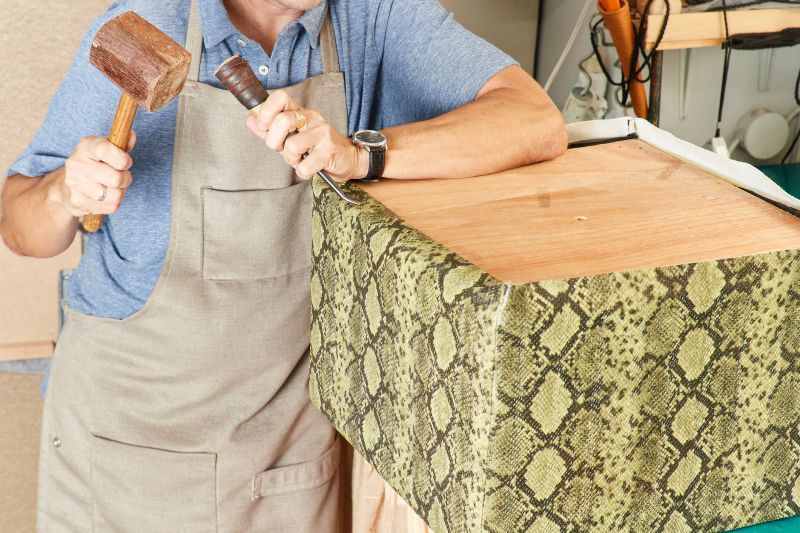

Use clear, detailed scope definitions and verify experience to ensure consistent comparisons among local contractors.
- Scope Definition - Clearly outline the specific repair or restoration tasks needed for the antique furniture.
- Experience Verification - Confirm that the service providers have relevant experience working with antique furniture.
- Material and Technique Specification - Specify preferred materials and restoration techniques to be used during the repair process.
- Work Scope Documentation - Ensure all project details, including scope and expectations, are documented in writing.
- Comparison of Service Providers - Evaluate multiple local contractors based on their scope, expertise, and approach to ensure alignment with project needs.
When evaluating contractors for antique furniture repair, it is important to consider their experience with similar projects. Service providers who have a proven track record working on antique pieces are more likely to understand the nuances involved in preserving and restoring delicate or valuable furniture. Inquire about the types of antiques they have repaired and ask for examples of past work that demonstrate their familiarity with the specific materials, styles, and techniques relevant to your pieces. This can help ensure that the contractor has the appropriate expertise to handle the unique challenges of antique furniture.
A clear, written scope of work is essential for establishing mutual understanding and setting expectations. When comparing contractors, look for those who can provide a detailed description of the repair process, including the methods, materials, and finishes they plan to use. This documentation helps prevent misunderstandings and provides a point of reference throughout the project. A well-defined scope also allows homeowners to assess whether the proposed approach aligns with their preservation goals and ensures that all aspects of the repair are considered from the outset.
Verification basics are a key part of selecting reliable service providers. While licensing and certification are not the focus here, verifying references or seeking examples of completed projects can provide insight into a contractor’s reputation and quality of work. Ask potential contractors for contact information of previous clients or for a portfolio of completed antique repairs. This background check can help confirm that the service provider has a history of delivering satisfactory results and handling projects similar to yours, reducing the risk of surprises or subpar work.
Evaluating options without considering prices involves assessing the professionalism, communication, and clarity offered by each contractor. Look for service providers who are transparent about their process and willing to answer questions about their experience and approach. Consider how well they understand your needs and whether they provide detailed, written proposals. Comparing these aspects can help identify the most capable and trustworthy service providers, ensuring that the chosen contractor is well-aligned with your project’s requirements and expectations.
Ask for written descriptions of the scope, procedures, and expectations to ensure clear understanding and consistent results.
- Experience Verification - How can I confirm a contractor’s experience with antique furniture repair?
- Scope Definition - What details should be clarified to ensure the scope of work is well understood?
- Comparison Criteria - What factors should be used to compare different local contractors for this service?
- Work Approach - How can I determine each contractor’s approach to restoring and repairing antique furniture?
- Written Agreement - Why is it important to have the scope and expectations documented in writing?
How can I compare antique furniture repair contractors? To compare local contractors, review their experience with similar pieces, check customer feedback, and clarify the scope of work to ensure they meet your needs.
What should I consider when defining the scope of antique furniture repair? Clearly outline the specific repairs needed, such as veneer restoration, upholstery, or structural fixes, and communicate these details to potential contractors.
How do I verify a contractor’s experience with antique furniture? Ask about their past projects involving similar furniture styles and materials, and request references or examples of previous work to assess their expertise.
Why is it important to put repair expectations in writing? Documenting the scope, materials, and methods helps prevent misunderstandings and ensures both parties agree on the repair process and outcomes.
What questions should I ask a contractor before hiring for antique furniture repair? Inquire about their experience with your furniture type, the techniques they use, and how they handle delicate or complex restoration tasks.
How can I ensure a contractor is suitable for my antique furniture repair project? Review their portfolio, clarify the scope of work, and verify their familiarity with the specific styles and materials of your furniture before making a decision.
By exploring the information provided, visitors can gain a clearer understanding of how to identify and compare service providers capable of handling antique furniture repair. Emphasizing the importance of defining project scope, verifying experience, and establishing clear expectations in writing helps ensure a smooth process. Using the quote form allows for easy comparison of different local contractors, making it simpler to find the right match for specific needs.
Utilizing the quote form is an effective way to connect with local contractors experienced in antique furniture repair. It provides an opportunity to gather information, compare options, and make informed decisions based on individual project requirements. Taking this step can help streamline the process of finding service providers who are well-suited to handle antique furniture restoration with care and expertise.